Argentina is one of the most geographically diverse birding destinations in South America. Its birdlife changes dramatically between subtropical rainforest, wetlands, grasslands, dry forests, high Andes and Patagonia.
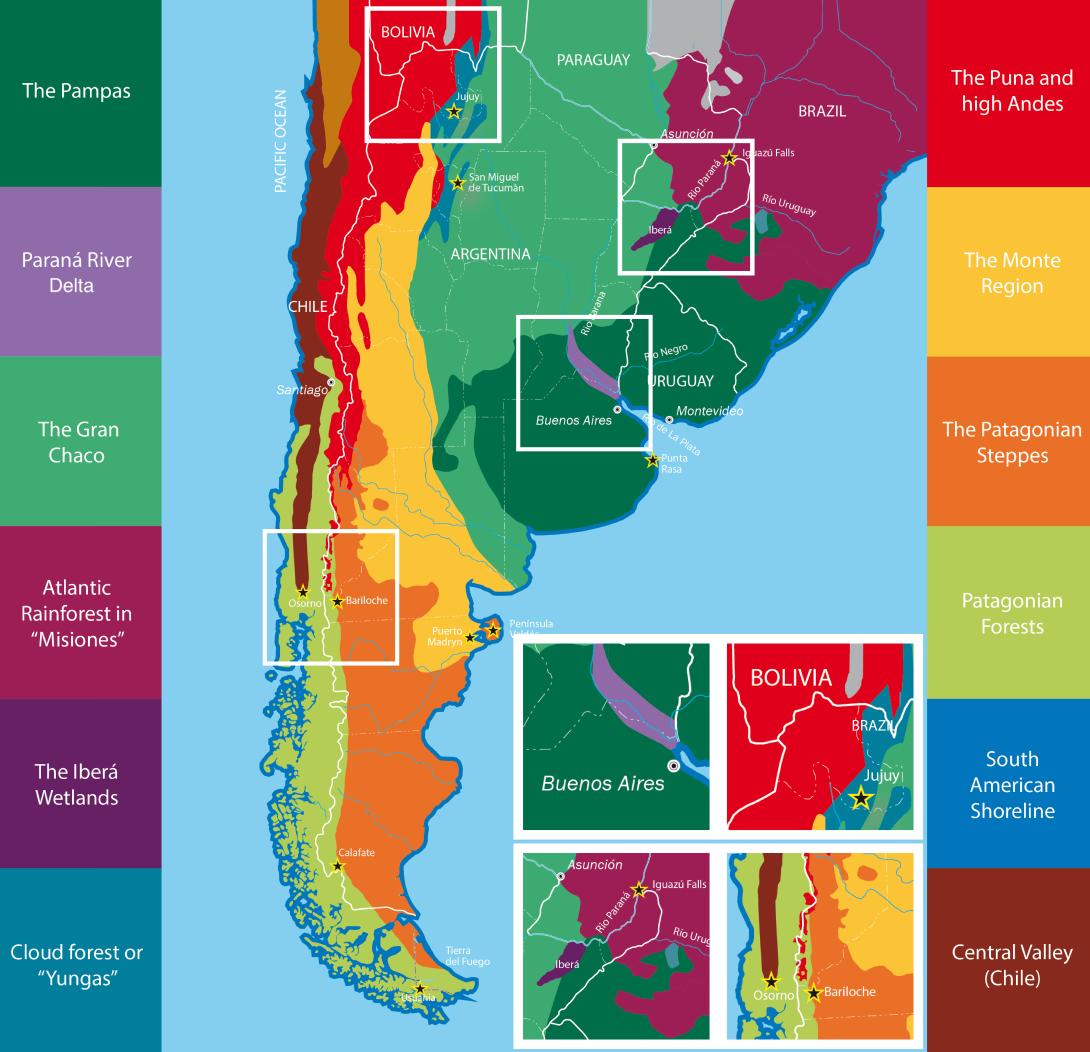
For birders, understanding Argentina’s main natural regions is one of the best ways to plan a trip. Rather than choosing destinations only by city or province, an itinerary can be designed around different ecosystems and the birds associated with them.
Here are some of the most important birding regions and habitats to know.
Atlantic Rainforest
In northeastern Argentina, the Atlantic Rainforest of Misiones is one of the richest forest environments in the country.
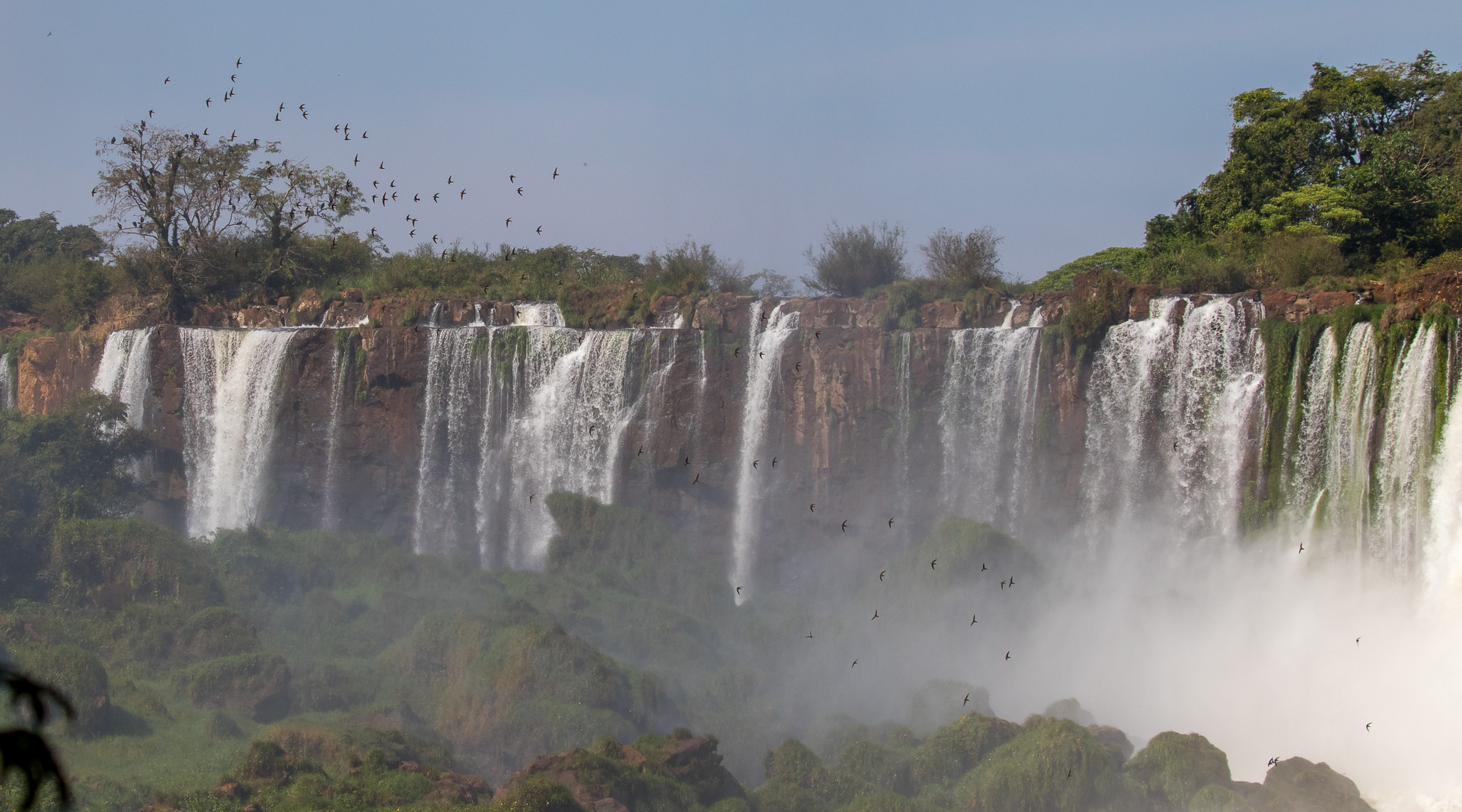
Around Iguazú, warm and humid subtropical forest provides habitat for toucans, piping-guans, manakins, tanagers, woodpeckers and many other forest birds.
Typical targets include the Toco Toucan, Black-fronted Piping-Guan, Swallow-tailed Manakin and Green-headed Tanager.
For birders interested in forest species, Iguazú provides a completely different experience from Argentina’s open wetlands and grasslands.
Iberá Wetlands
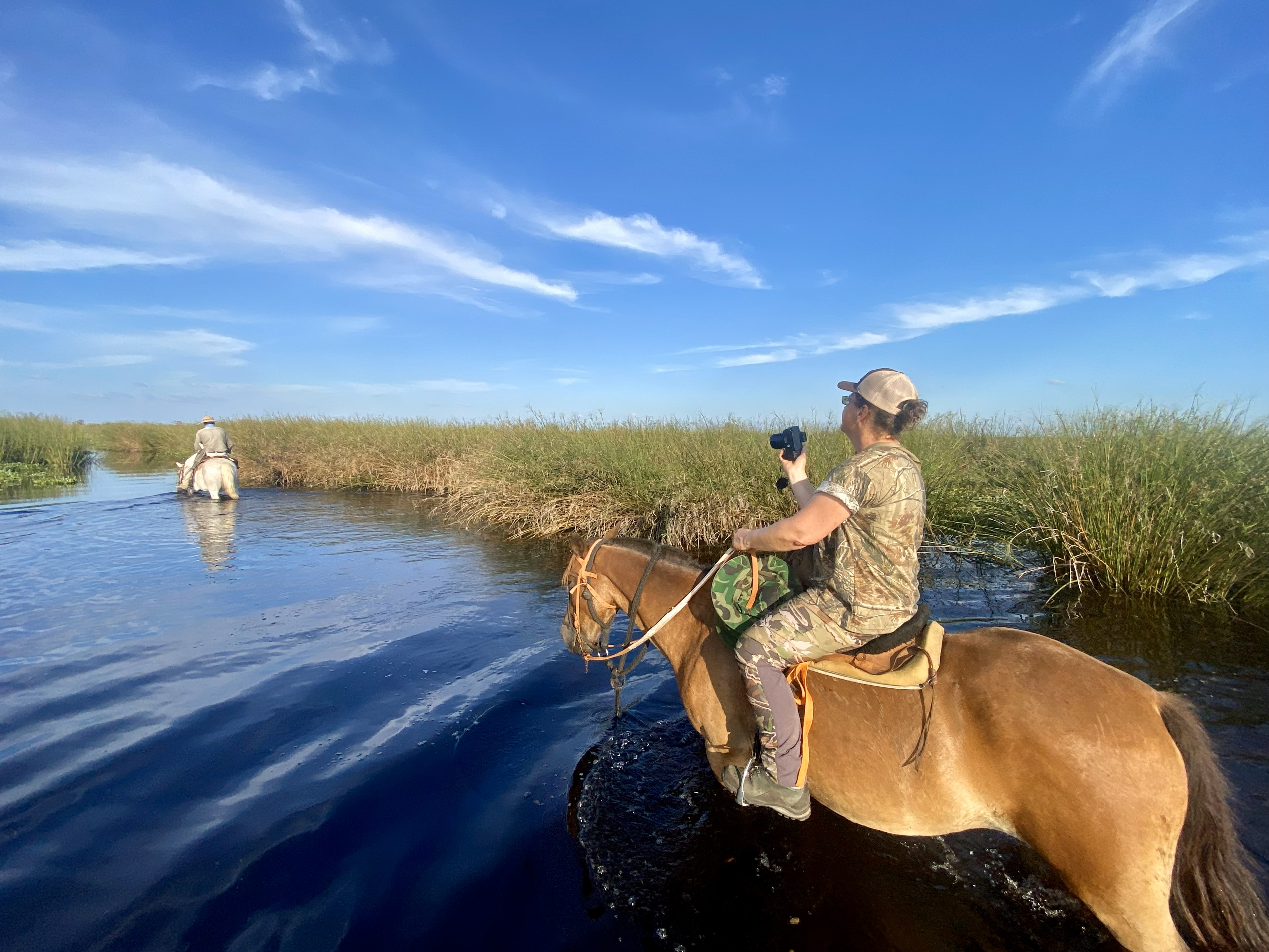
The Iberá Wetlands in Corrientes form an enormous landscape of lagoons, marshes, floating vegetation and grasslands surrounded by forests and savannas.
Birding can be done by vehicle, on foot and by boat, with targets including Strange-tailed Tyrant, Iberá Seedeater, Jabiru, Greater Rhea and Sickle-winged Nightjar.
The wetlands are also exceptional for mammals and other wildlife, including capybaras, caimans and marsh deer.
Combining Iberá with the Atlantic Forest creates one of Argentina’s most diverse birding routes.
Pampas and Grasslands
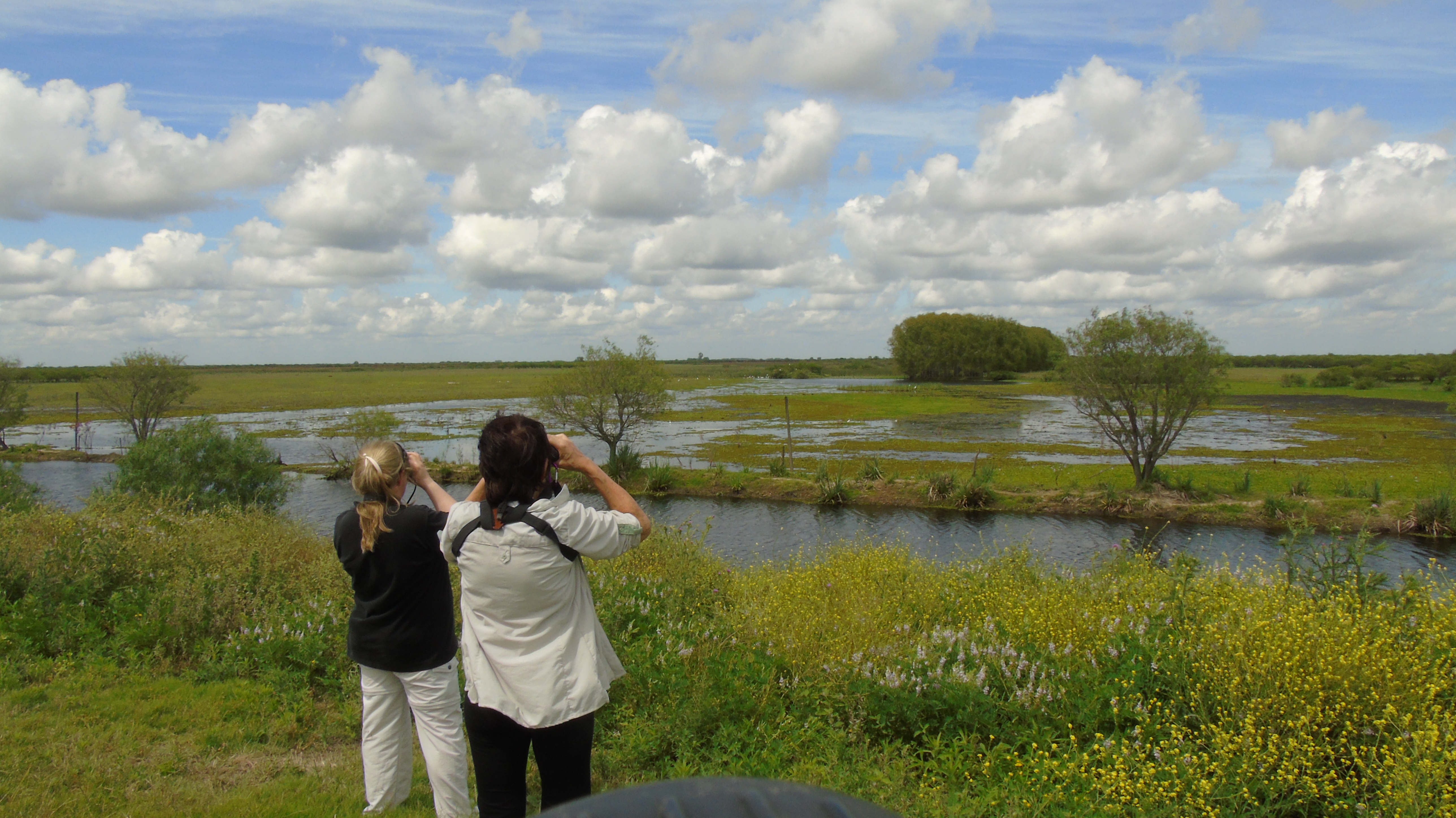
The Pampas are among the characteristic landscapes of central and eastern Argentina.
Grasslands, wetlands, lagoons and scattered woodland support a very different bird community from the forests of northern Argentina.
Buenos Aires provides easy access to these environments. Urban reserves can be explored in half or full-day trips, while areas farther from the city allow birders to experience more extensive natural grasslands and wetlands.
The Pampas are particularly important for grassland specialists, waterbirds and migratory species.
Yungas Cloud Forest
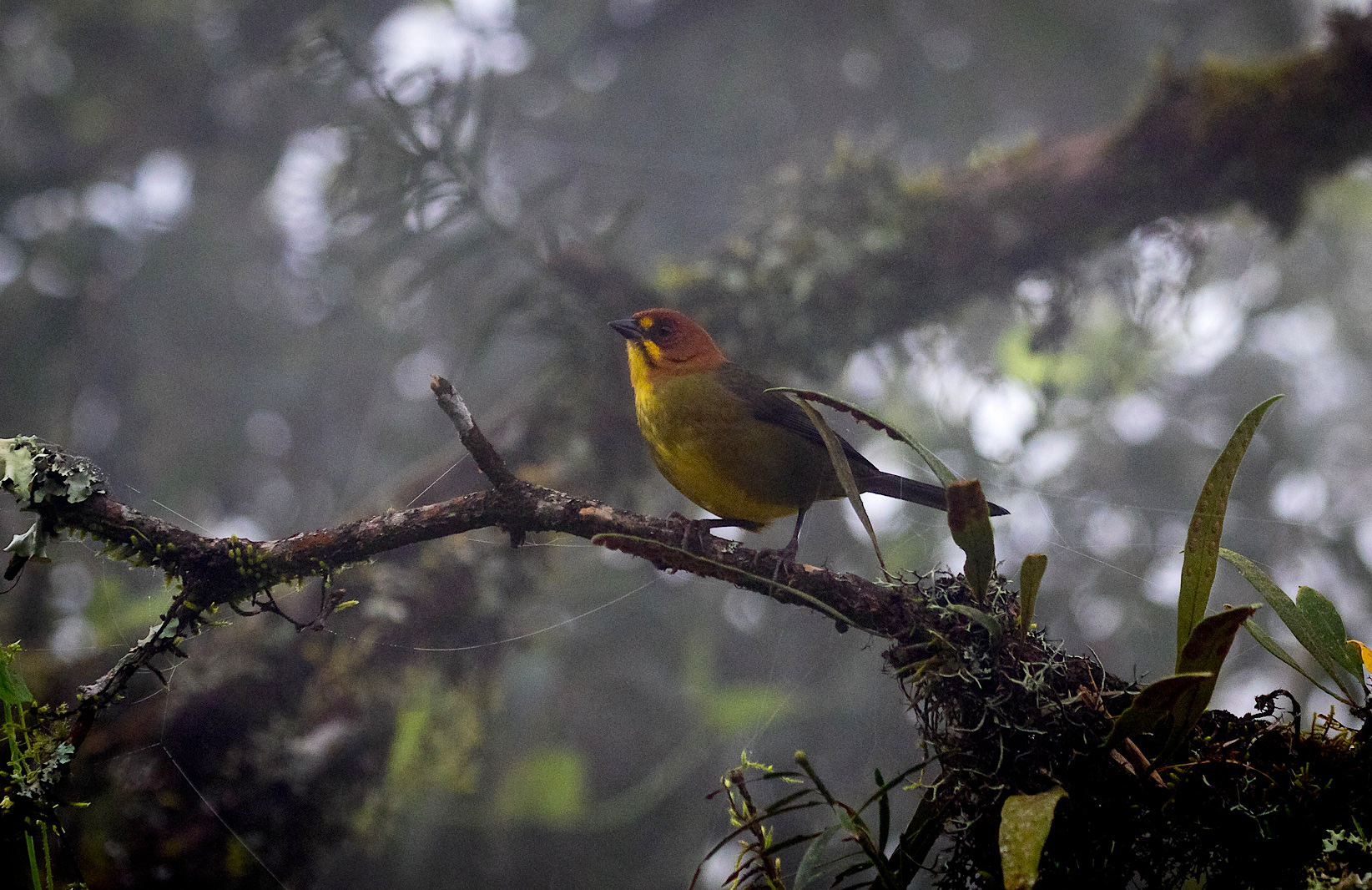
Along the eastern slopes of the Andes in Northwest Argentina, the Yungas form a humid belt of subtropical mountain forest.
Elevation is one of the keys to birding here. Different forest communities occur as the road climbs through the mountains, creating opportunities to find species associated with specific altitudinal zones.
Salta and Jujuy are important gateways for exploring the Yungas before continuing toward drier Andean valleys and the Puna.
Puna and High Andes
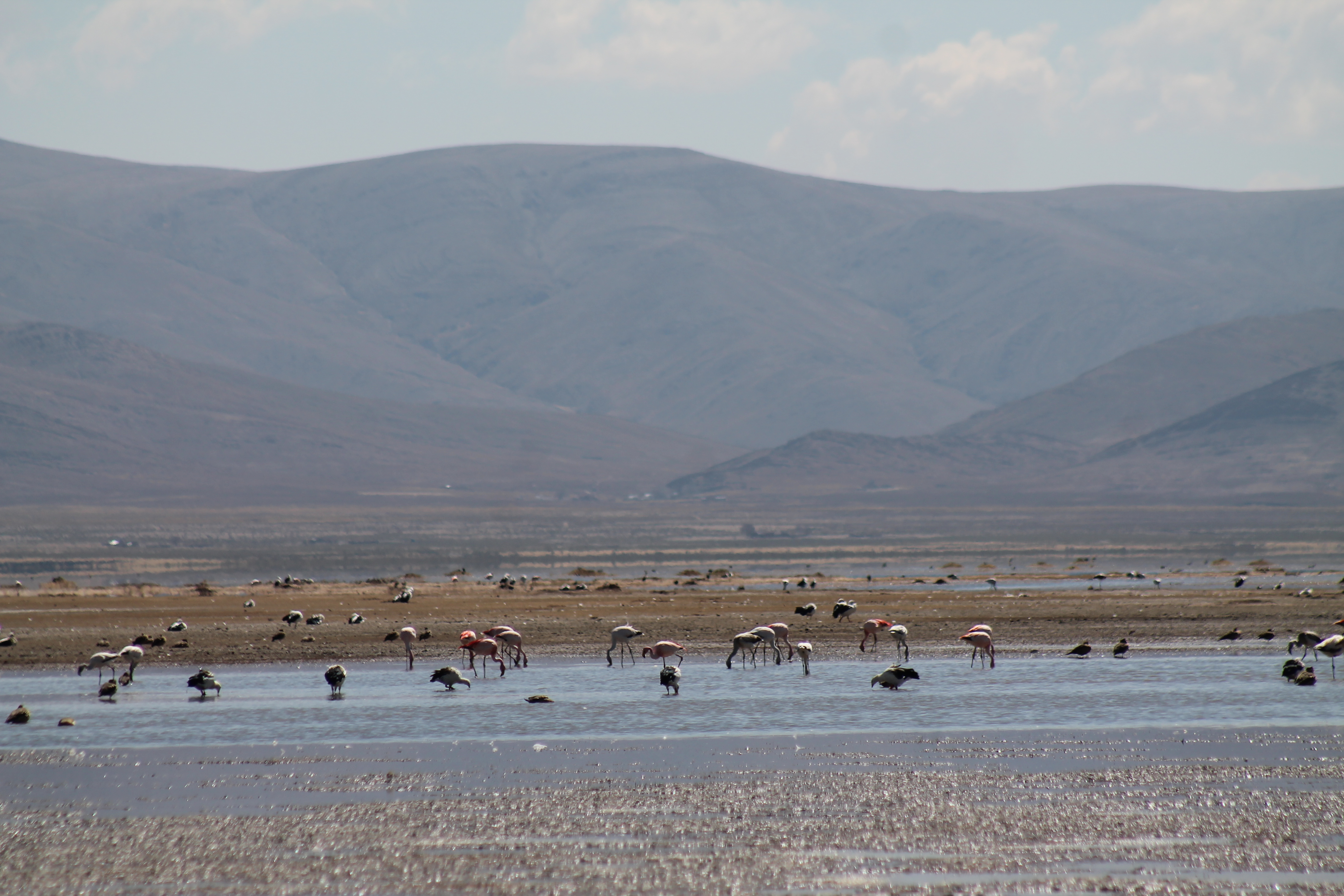
Above the forests and valleys of Northwest Argentina lies the Puna, a high-altitude landscape of open steppe, mountains, salt flats and lagoons.
Conditions can be extreme, but these environments support a highly specialized bird community.
Characteristic targets include James’s Flamingo, Giant Hummingbird, Tucuman Mountain-Finch and Andean Condor, among many other high-altitude species.
A Northwest Argentina itinerary can therefore move from subtropical forest to environments above 4,000 meters within the same journey.
Patagonian Steppe
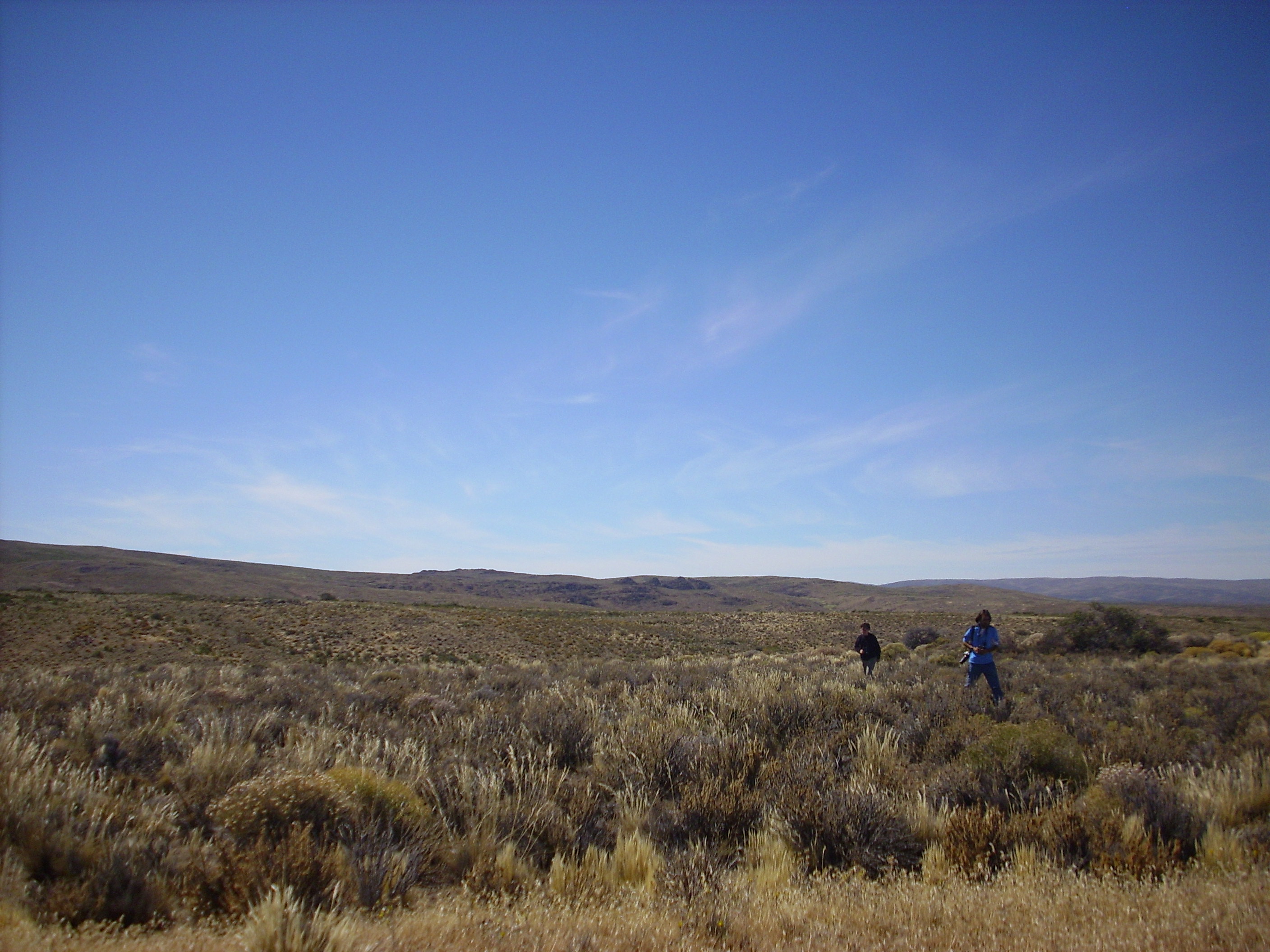
The Patagonian Steppe is one of southern Argentina’s most characteristic landscapes: vast, dry and open, with low vegetation and enormous horizons.
Its birdlife is adapted to these conditions and includes several Patagonian specialties.
Species such as the Elegant Crested-Tinamou can be found in these open environments, while raptors and other steppe birds make long drives through Patagonia an important part of the birding experience.
Patagonian Forest
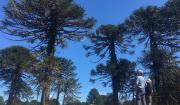
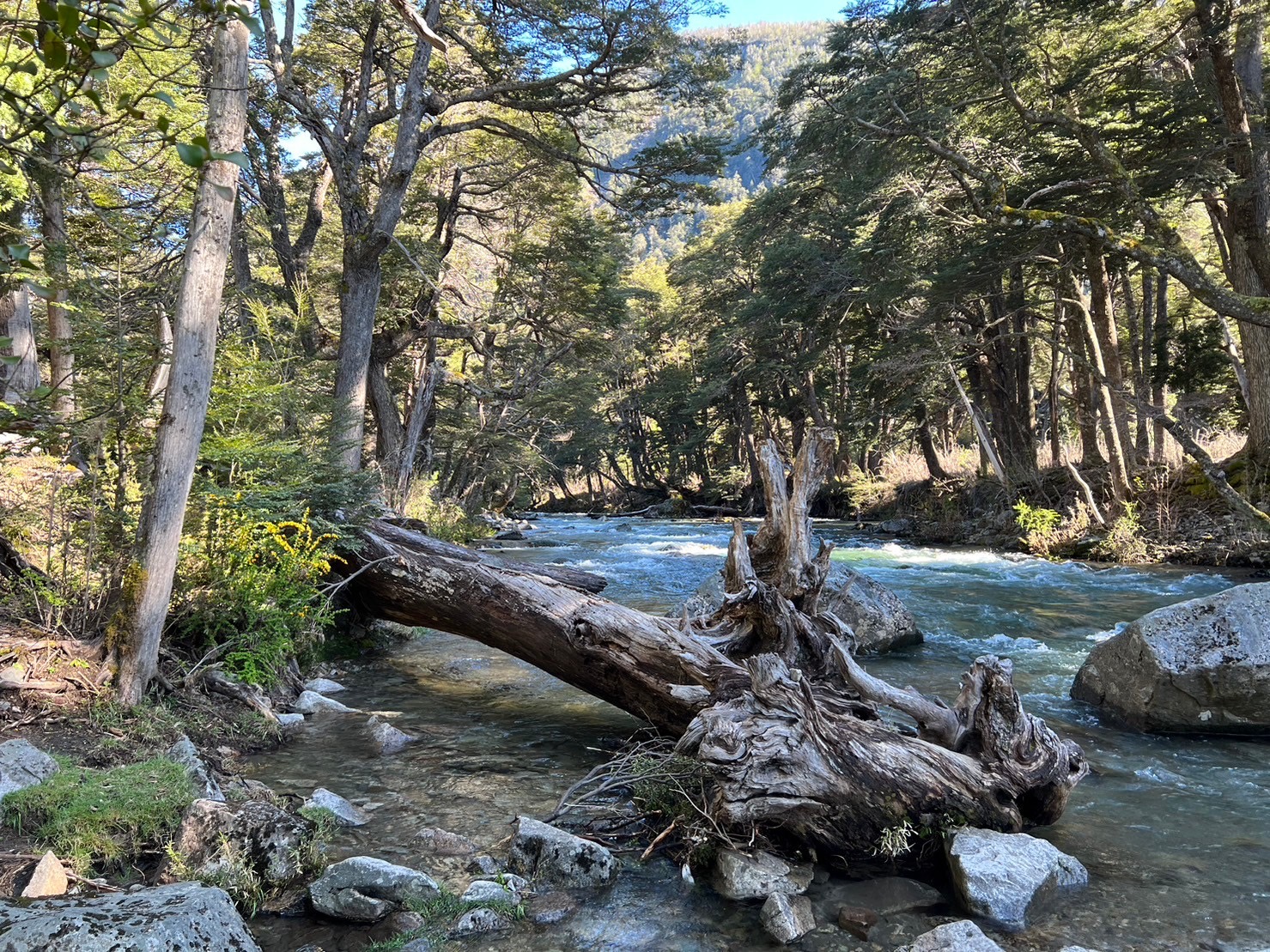
Along the Andes, the dry steppe gives way to the temperate forests of Patagonia.
These forests include different communities of southern beech, Patagonian Cypress and Araucaria, as well as the much wetter Valdivian rainforest toward Chile.
Characteristic forest birds include the Magellanic Woodpecker and Chucao Tapaculo.
The contrast between forest and steppe is one of the reasons Patagonia offers much greater bird diversity than its popular image of a single vast landscape might suggest.
Why Do Argentina’s Eco-Regions Matter for Birding?
Bird diversity in Argentina is closely connected to habitat diversity.
A birder visiting only one ecosystem will experience only one part of what the country offers. Combining complementary natural regions can produce a much broader bird list without necessarily trying to cover the entire country.
This is why birding itineraries are often best planned around habitats and target species rather than famous destinations alone.
Buenos Días Birding has been organizing birding and nature trips in Argentina since 2003. Our itineraries connect natural regions across Patagonia, Northwest Argentina, Iberá, Iguazú and the Buenos Aires region, with routes designed according to season, available time and target species.
Understanding the ecosystems is the first step. The next is choosing which combination makes the most sense for your birding trip.
- Log in to post comments